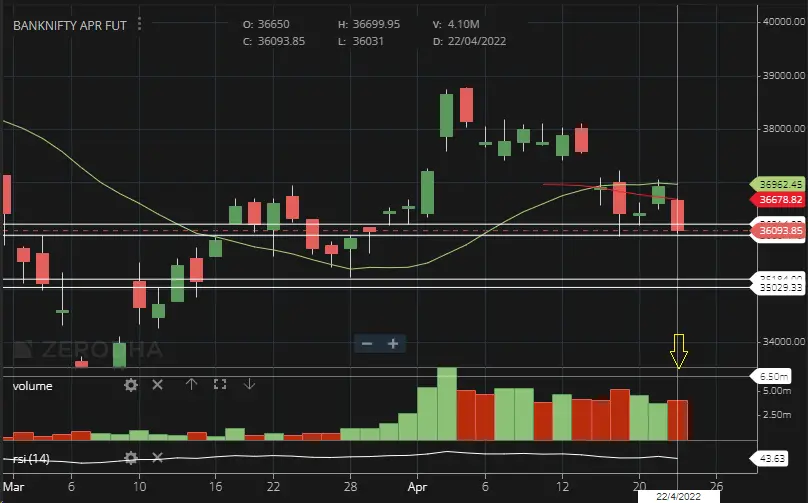
The Indian stock market is currently witnessing a fascinating yet concerning trend: while Foreign Institutional Investors (FIIs) have taken a step back as net sellers, Domestic Institutional Investors (DIIs) are stepping in as enthusiastic buyers. This tug-of-war has significant implications for market stability and investor sentiment, especially in light of the ongoing volatility.
The FII Sell-Off: A Record in October
October 2024 has marked a pivotal month for FIIs, who have recorded their highest outflow of the year. For 20 consecutive trading sessions, FIIs have sold off their stakes in Indian equities, totaling a staggering ₹1,00,242.17 crore from October 1 to October 25. The sell-off on October 25 alone accounted for ₹3,036.75 crore, with the day prior witnessing an even larger outflow of ₹5,062.45 crore. This unprecedented selling trend mirrors the broader market sentiment and raises questions about the underlying factors driving this behavior.
One primary reason behind this massive sell-off is the elevated valuations in the Indian market. With the allure of cheaper stocks in China and other emerging markets, FIIs are pivoting their strategies, effectively opting for “sell India, buy China.” This tactical shift reflects a response to short-term market conditions, suggesting that FIIs are reallocating their portfolios to seek better opportunities elsewhere.
The DII Buying Spree
In stark contrast to FIIs, DIIs have emerged as consistent buyers in the Indian market. For 24 consecutive trading sessions, DIIs have maintained a net buying position, with total inflows reaching ₹97,090.83 crore for October alone. On October 25, DIIs purchased equities worth ₹4,159.29 crore, further reinforcing their bullish stance amid the bearish trends highlighted by FIIs.
The continued DII buying can be attributed to sustained fund inflows and a strong belief in the long-term potential of Indian equities. As of now, DIIs have invested ₹4,37,702.69 crore year-to-date in 2024, significantly cushioning the market against the FIIs’ selling pressure. Analysts believe that this robust support from DIIs is critical in stabilizing the market, even as indices like the Sensex and Nifty experience declines of 5.8% and 6.3%, respectively.
Market Sentiment and Future Outlook
The contrasting behaviors of FIIs and DIIs lead to several questions about market sentiment and future trends. While FIIs are likely to remain volatile in their trading patterns, analysts suggest that DIIs will continue to absorb the selling pressure, maintaining a supportive role in the market. Dr. V K Vijayakumar, Chief Investment Strategist at Geojit Financial Services, has pointed out that the impact of FII selling has been mitigated by the aggressive buying from DIIs, which is fueled by positive fund inflows.
Looking ahead, the focus is on whether the recent trend of FII selling and DII buying will sustain. Analysts foresee continued volatility in FII flows, with large-cap financials facing pressure due to the outsized FII holdings in this segment. However, this situation presents a buying opportunity for mid- to long-term investors, especially in leading banking stocks that remain fairly valued despite market fluctuations.
Conclusion: A Time for Caution and Opportunity
The current dynamics of FII and DII activity in the Indian stock market highlight a critical moment for investors. While the massive sell-off by FIIs raises concerns, the unwavering support from DIIs serves as a buffer against deeper market corrections. As we navigate through this volatility, it is crucial for investors to stay informed and consider the long-term potential of quality stocks.
In this landscape, strategic decisions can lead to fruitful opportunities, making it an interesting time to engage with the Indian stock market. Whether you are a seasoned investor or just starting, understanding these trends will be key to making informed investment choices in the months to come.
Disclaimer
The information provided in this blog is for educational and informational purposes only and should not be considered financial advice. Investing in stocks and securities involves risks, including the loss of principal. Before making any investment decisions, you should consult with a qualified financial advisor who can assess your individual circumstances and objectives. The author and this blog do not guarantee the accuracy or completeness of the information presented and are not liable for any losses or damages arising from reliance on this content. Always conduct your own research and due diligence before making investment choices.
Leave a Reply