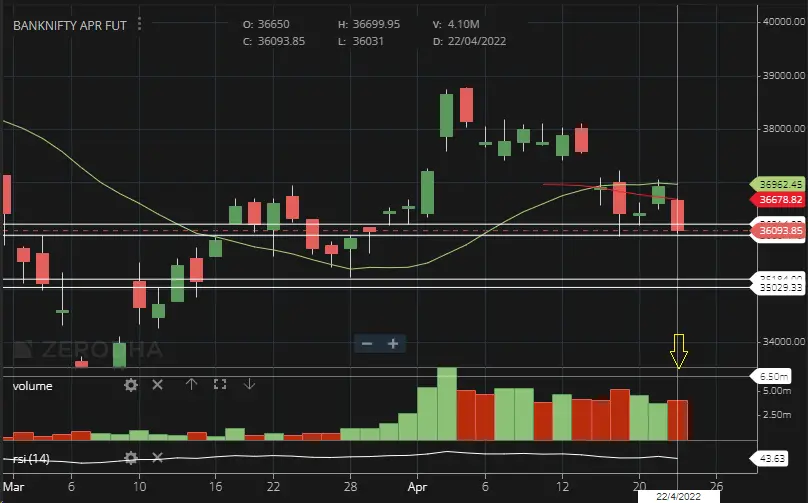
On October 22, 2024, the Indian stock market experienced a significant downturn, with both the Sensex and Nifty closing down by more than 1%. This sell-off resulted in a staggering erosion of over ₹9 lakh crore in investor wealth. Key factors behind this crash included heightened volatility, massive selling across midcaps, small-caps, and large-caps, along with foreign institutional investor (FII) outflows and a sharp spike in US bond yields, which dampened hopes for aggressive rate cuts from the Federal Reserve.
The Nifty 50 fell below the critical 24,500 mark, closing at 24,472, while the Sensex plummeted by 931 points to finish at 80,221. Over the last two trading sessions, investors faced a capital loss of ₹13 lakh crore as market sentiment turned distinctly negative.
According to Hardik Matalia, a Derivative Analyst at Choice Broking, the daily chart indicates that the Nifty faced strong selling pressure at higher levels, forming a bearish engulfing candle and closing below the 24,500 mark, which suggests ongoing market weakness. Immediate support is identified at 24,400, and if this level is breached, the Nifty could decline further toward the 24,200-24,000 range. Resistance levels are seen at 24,600-24,750, where selling pressure may re-emerge. Matalia advises adopting a “sell-on-rise” strategy and placing stop-losses above these resistance levels. He cautions traders against holding long positions, as the close below 24,500 indicates a risk of continued selling pressure until the index decisively moves above 25,000.
Additionally, the India VIX increased by 4.60% to 14.3950, signaling a rise in market volatility and uncertainty, which could lead to increased price fluctuations. Open interest data reveals the highest open interest on the call side at the 24,600 and 24,700 strike prices, indicating strong resistance levels, while the put side shows concentration at the 24,400 and 24,300 strike prices, marking key support levels.
In summary, the Indian stock markets are navigating a challenging phase characterized by high volatility and investor caution. Keeping a close watch on key support and resistance levels will be crucial for traders in the days ahead.
Disclaimer: The information provided in this report is for informational purposes only and should not be considered as financial advice. The stock market is subject to volatility and risk, and past performance is not indicative of future results. Investors should conduct their own research and consult with a qualified financial advisor before making any investment decisions. The author and affiliated entities do not assume any liability for any losses incurred as a result of reliance on this information.
Leave a Reply